Chocolate baskets have long been the go‑to gift for birthdays, anniversaries, and those “just‑because” moments. But lately, a new ingredient has joined the mix: eco‑friendly packaging. It’s not just a trend; it’s a movement that blends indulgence with conscience. In this article we’ll uncover why this packaging style is capturing hearts (and wallets), how it benefits everyone involved, and what to look for when you’re choosing the perfect sustainable chocolate gift.
The Sweet Rise of Sustainability
We’re living in a world where “green” isn’t a buzzword—it’s a lifestyle. From reusable coffee cups to electric cars, people are increasingly mindful of their environmental footprint. Chocolate, a product that often travels across continents, is no exception. The packaging that once relied on glossy plastics and heavy cardboard is being replaced by lighter, recyclable, and even biodegradable options.
Why the shift?
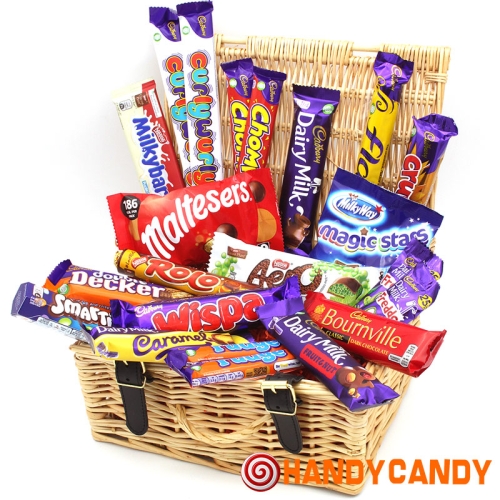
- Regulatory pressure: Governments worldwide are tightening packaging waste rules. Consumer activism: Millennials and Gen Z demand transparency and sustainability. Economic logic: Less material means lower shipping costs and smaller carbon footprints.
The result? A surge in eco‑friendly packaging for chocolate baskets that feels as good as the chocolate inside.
What Makes Eco‑Friendly Packaging a Chocolate Basket Darling
Eco‑friendly packaging isn’t just a wrapper; it’s a promise. When a chocolate basket arrives wrapped in a biodegradable sleeve, the recipient instantly feels a sense of responsibility. Here’s why it works so well:
The “Feel‑Good” Factor
A chocolate basket that comes in a recyclable tin or a paper pouch with a compostable seal gives the giver a confidence boost. It’s like saying, “I care about your taste buds and the planet’s.”
Reduced Waste, Increased Value
- Less waste: Biodegradable materials break down in a matter of weeks, not centuries. Higher perceived value: A sleek, eco‑friendly design often looks premium, boosting the basket’s perceived worth.
Compatibility with Chocolate
Certain eco materials, such as bamboo fiber or soy‑based inks, are food‑safe and don’t alter the chocolate’s aroma or flavor. This ensures the gift remains pure in taste while being pure in purpose.
Design Meets Responsibility
The packaging of a chocolate basket must balance aesthetics, protection, and VIP gifts sustainability. Designers are now turning to innovative materials and clever techniques to achieve all three.
Materials That Matter
- Bamboo fiber: Strong, lightweight, and biodegradable. Recycled paperboard: Often sourced from post‑consumer waste. Plant‑based plastics: Made from corn or sugarcane, they decompose faster than petroleum‑based plastics.
Smart Printing
- Soy‑based inks: Non‑toxic and easily recyclable. Minimalist designs: Less ink means less waste and a cleaner look.
Protection Without Excess
Using collapsible inserts or biodegradable cushioning ensures chocolate stays intact during transit while keeping the overall material count low.
> “Packaging is the first impression of a product,” says designer Maya Patel. “If it’s sustainable, it’s instantly more appealing.”
Consumer Demand: Taste and Ethics Combined
Have you ever opened a chocolate box and felt guilty about the Christmas hampers plastic wrap? That guilt is real, and it’s driving change.
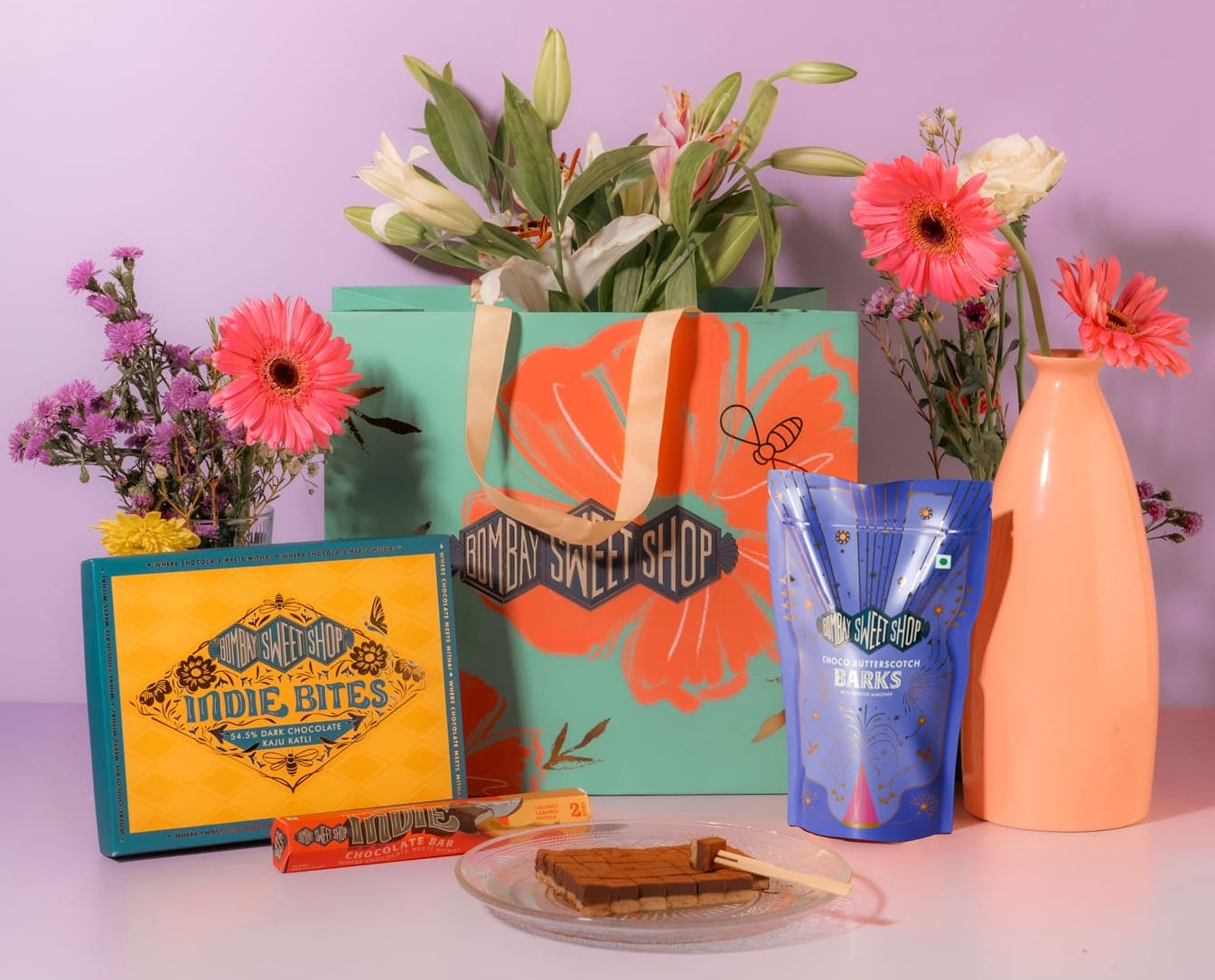
- Rhetorical question: Do you want your chocolate to taste better and feel better? Metaphor: Think of eco‑friendly packaging as a gentle hug for the planet.
The Data Speaks
A recent survey found that 68% of chocolate buyers would pay up to 10% more for a sustainably packaged product. That’s a clear sign that the market is ready for greener choices.
Anecdote
Last Christmas, I gifted a friend a chocolate basket wrapped in a bamboo box. She opened it, smiled, and said, “I feel like I’m giving back while indulging.” Her delight was a sweet reminder that eco‑friendly packaging can enhance the gifting experience.
Practical Tips for Choosing the Right Eco‑Friendly Wrap
Selecting the best sustainable packaging for a chocolate basket involves a few key considerations:
- Certifications: Look for labels like FSC, BSCI, or USDA Organic for packaging. Recyclability: Ensure the material can be recycled in your local system. Food safety: Verify that the packaging is food‑grade and does not leach chemicals. Design fit: The packaging should complement the chocolate’s flavor profile and presentation.
Quick Checklist
- ✔️ Material: Bamboo, recycled paper, or plant‑based plastic ✔️ Ink: Soy‑based or other non‑toxic inks ✔️ Seal: Compostable or recyclable closure ✔️ Brand transparency: Clear sourcing and production information
The Bottom Line: A Gift That Grows
Eco‑friendly packaging for chocolate baskets is more than a passing fad. It’s a convergence of consumer values, environmental responsibility, and clever design. When you choose a sustainable wrapper, you’re not just gifting chocolate—you’re gifting a better future.
So next time you’re picking out that perfect chocolate basket, ask yourself: Is this a treat for the palate or a treat for the planet? The answer will guide you to a choice that satisfies both.
Remember, the smallest changes—like a biodegradable wrapper—can ripple out into big impacts. By supporting eco‑friendly packaging, you’re helping to create a world where chocolate can be enjoyed without guilt, and where every bite feels a little sweeter for the planet.